

The ominous legacy of asbestos, a naturally occurring mineral once widely applauded for its insulating and fire-retardant capabilities, continues to cast a shadow over public health due to its pervasive use in past construction and industrial applications. Understanding the intricacies of this hazardous material, from its physical characteristics that enable airborne dispersion to the alarming health risks following inhalation, is of paramount importance. This essay embarks on a meticulous exploration of asbestos, starting with an examination of its properties and the serious health risks they pose. We will navigate through the stringent regulations and practices constructed to govern its handling, diving into the specifics of respirator efficacy, notably the N95, and dissecting their capabilities to shield us from asbestos exposure. Furthermore, we will delve into alternative respiratory protective devices and conclude by laying out the best practices for those tasked with the critical work of asbestos abatement.
Properties of Asbestos and Health Risks
The Invisibly Perilous Nature of Asbestos
Asbestos, once lauded for its admirable properties including heat resistance, strength, and insulation, is now notorious for its insidious effects on human health. These hazards predominantly stem from the fibrous structure and durability of asbestos, characteristics that, in the wake of its industrial acclaim, have led to severe medical repercussions.
Central to the peril of asbestos are the microscopic fibers that compose it. When materials containing asbestos degrade or are disturbed, these tiny fibers can become airborne and pose a risk of inhalation. Because of their minuscule size, asbestos fibers can easily bypass the body’s natural respiratory defenses, such as nose hairs and mucous membranes, and penetrate deep into the lungs.
Upon inhalation, the body’s response to the foreign body – in this case, the asbestos fiber – is to eradicate it. However, the inherent resilience of asbestos fibers thwarts this process. Their resistance to breakdown means that once lodged in lung tissue, they persist, provoking chronic irritation. Over time, this unrelenting irritation can lead to scarring in the form of asbestosis, a condition characterized by the fibrosis of lung tissue and resultant respiratory complications.
The durability of asbestos fibers not only promotes their persistence in lung tissue but also their migration to the pleural lining – the delicate membrane surrounding the lungs and lining the chest cavity. This interaction can culminate in malignant mesothelioma, a rare but aggressive form of cancer exclusively associated with asbestos exposure.
Furthermore, the biological indestructibility of asbestos fibers is linked to lung cancer, as their presence in the lungs can instigate cellular mutations that propagate the malignancy. This risk is exacerbated when asbestos exposure is compounded with smoking, as tobacco smoke can synergistically enhance the carcinogenic potential of asbestos.
Comprehensively, the treacheries of asbestos arise from its fibrous composition and chemical obstinacy. These attributes facilitate both its invasive penetration into and prolonged presence within the pulmonary system, ultimately yielding its deleterious health implications. It is these inherent characteristics of asbestos that underpin its status as a noxious agent, with its use now heavily regulated or outright banned in many countries. Despite these safeguards, the legacies of asbestos, entwined within old buildings and products, continue to pose a health risk, demanding vigilant management and abatement.
Recognizing and respecting the latent hazards of asbestos is critical, not only for maintaining the sanctity of occupational environments but also for safeguarding the general populace from its insidious health effects.

Standard Regulations and Practices for Asbestos Handling
Regulatory standards are instrumental in the establishment and enforcement of protocols for asbestos handling and protection due to the well-documented hazards associated with asbestos exposure. These standards comprise a framework developed to safeguard public health and ensure worker safety. Within the United States, agencies such as the Environmental Protection Agency (EPA) and the Occupational Safety and Health Administration (OSHA) play pivotal roles in formulating these regulations.
OSHA stipulates clear guidelines for industries wherein asbestos handling is unavoidable. These protocols include proper training for workers who may encounter asbestos-containing materials (ACMs) as part of their occupational duties. Instruction on the identification of ACMs, appropriate handling procedures, and the use of personal protective equipment (PPE) such as respirators and protective clothing are mandatory components of such training programs.
Air monitoring is also a critical element of regulatory protocols. OSHA enforces permissible exposure limits (PELs) to control the concentration of airborne asbestos fibers in the workplace. The requirement for monitoring ensures that exposure does not exceed these limits and that any necessary mitigative measures, such as improved ventilation or respiratory protection, are promptly implemented should fiber concentration approach hazardous levels.
Decontamination protocols are another cornerstone of asbestos handling regulations. These involve the establishment of decontamination zones, including clean rooms, shower areas, and equipment storage, to prevent asbestos fibers from spreading and contaminating workers’ homes or other environments.
Furthermore, regulatory standards dictate the practices for asbestos removal, encapsulation, or enclosure. Removal is often a complex and sensitive process, calling for specialized tools and meticulous procedural adherence to prevent fiber release. Where removal is not feasible, encapsulation or enclosure provides alternative methods to isolate asbestos materials and safeguard individuals from exposure.
Waste handling procedures are strictly controlled under regulations to prevent contamination of waste disposal sites. All asbestos waste must be adequately wetted, sealed in leak-tight containers, and correctly labeled prior to transport to approved disposal facilities.
Finally, mandatory record-keeping and medical surveillance for workers involved with asbestos are essential regulatory aspects. These requirements help in tracking exposure, implementing health monitoring protocols, and ensuring that workers receive appropriate medical evaluations, thus contributing to the early detection of asbestos-related conditions.
It is through rigorous regulatory standards and adherence to established protocols that the protection from the pernicious effects of asbestos is managed effectively. Constant vigilance and updates to regulations in light of new scientific findings are required to maintain safe practices in asbestos handling and to prevent further harm to human health.

Efficacy of N95 Respirators Against Asbestos
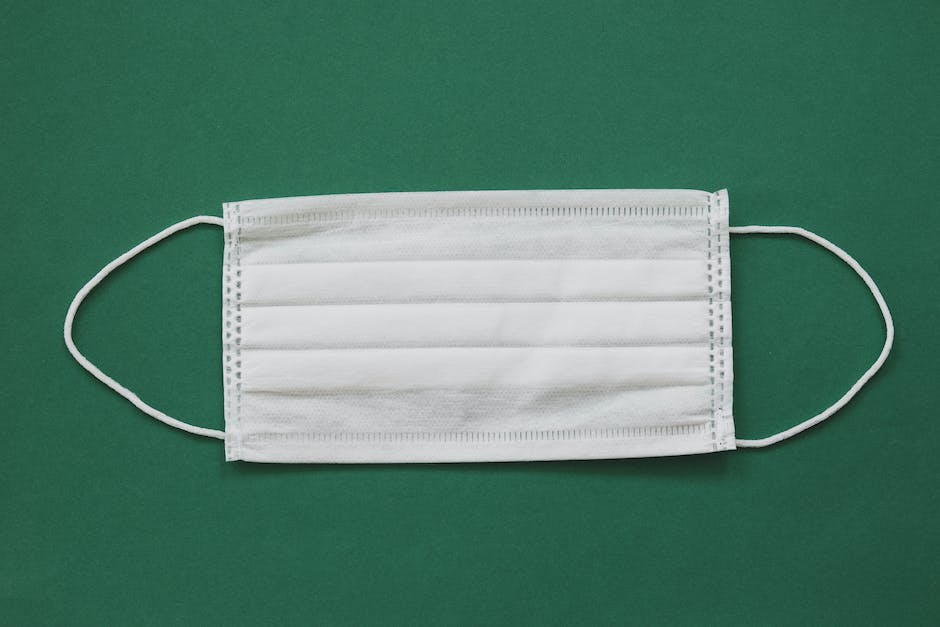
N95 respirators are frequently employed in scenarios necessitating particulate protection. Recognized for their efficiency in filtering out at least 95% of airborne particles, including those as small as 0.3 microns, N95 masks are a commendable line of defense against a multitude of contaminants.
In the context of asbestos protection, it’s crucial to discern that asbestos fibers can range in size, with some being smaller than 0.3 microns. While N95 respirators are capable of filtering out a significant proportion of larger fibers, their efficacy can be less predictable when confronting the smallest of asbestos particles.
Nonetheless, N95 respirators do offer a significant level of protection and are better suited for situations where lower concentrations of asbestos are present or shorter durations of exposure are anticipated. In contrast, environments with high concentrations of asbestos or extended exposure times necessitate respirators with higher levels of protection, such as a Powered Air Purifying Respirator (PAPR) or a half-face or full-face elastomeric respirator equipped with P100 filters.
In adherence to OSHA’s regulations, when working in areas where asbestos levels are elevated beyond the permissible exposure limit (PEL), it is mandatory to utilize a more advanced respiratory protection system than the N95. Moreover, any activity that may generate high concentrations of airborne asbestos — such as demolition, removal, or repair of asbestos-containing materials — requires workers to be equipped with a more protective respirator.
While N95 respirators may serve as a preliminary protective measure under specific circumstances, it is imperative to conduct a thorough risk assessment to ascertain the appropriate level of respiratory protection. Comprehensive protective measures, including the correct usage and fit-testing of respirators, minimize the risk of asbestos inhalation — a vital strategy to safeguard against the insidious health impacts posed by asbestos exposure.

Alternative Respiratory Protective Devices for Asbestos
Navigating the Crucial Selection of Respiratory Protective Devices for Asbestos Exposure
When confronting the pernicious threat of asbestos fibers, one must not underestimate the gravitas of selecting the most efficacious respiratory protective devices. The terrain through which we tread is marked by a multitude of such devices, each suited to a spectrum of environmental challenges. In the quest to obviate the insidious ingress of asbestos fibers, meticulous attention must be given to the choice of protection, with a particular focus on devices beyond the realm of the ubiquitously discussed N95 respirators.
A pinnacle of respirator efficacy against asbestos exposure is found in the realm of Powered Air Purifying Respirators (PAPRs) coupled with High-Efficiency Particulate Air (HEPA) filters. The inherent design of PAPRs facilitates a continuous flow of filtered air, which not only provides barrier fortification against the fibrous foe but also alleviates the onus of respiratory exertion upon the wearer. The HEPA filters, with their capacity to trap 99.97% of particulates measuring 0.3 micrometers or larger, are formidable sentinels against the small but deleterious asbestos fibers.
Concurrently, elastomeric half-mask and full-face respirators present a robust defense, their reusable nature evincing both economic and environmental prudence. These respirators must conform to the ensconced standards set forth by regulatory entities, utilizing approved filters. The superiority of full-face variants extends beyond mere filtration; they provide a shield for the eyes, a known conduit for asbestos penetration.
Yet the selection of an appropriate device is not the terminus of this odyssey. A respirator, no matter how sophisticated, cannot perform its duty absent a proper seal against the face. The integrity of this seal is the bulwark against exposure, thereby necessitating fit testing as a critical component of respiratory protection programs. Moreover, beards and other facial hair preclude the establishment of a congruous seal, illustrating the necessity for clean-shaven protocols when donning such protective gear.
In environments heavily laden with asbestos, or in situations where the duration of exposure exceeds ephemeral encounters, a scrupulous practice is the incorporation of a full-body approach. The interplay between respiratory protection and ancillary methods—such as protective clothing, controlled zones, and rigorous hygiene practices—constructs a bulwark against the granular menace.
A punctilious adherence to the selection and usage of respiratory protective devices must be coupled with a fervent commitment to the training of personnel. Without the astute comprehension and execution of proper practices, even the most sophisticated devices flounder in providing defense.
To eschew further dissemination, this piece concludes with the emphasis on the gravitas of respirator choice, amidst the panoply of safeguards intended to fend off the health detriments associated with asbestos. This careful orchestration of knowledge, equipment, and practice formulates a symphony of prevention, the notes of which are imperative for the cessation of asbestos-related affections. Enlightened by the beacon of research and rigorous standards, the path to effective respiratory protection is clear and categorical.
Best Practices for Asbestos Abatement Professionals
Understanding the intricate complexities of asbestos abatement requires a meticulous approach to safety protocols and best practices in order to ensure maximum protection for those involved in the process. Extending beyond the realm of respiratory protection, a holistic strategy encompasses various other pivotal measures.
Equally important to respiratory safety is the implementation of strict controlled zones, which serve to limit access to areas where asbestos abatement activities are taking place. Erecting barriers and using critical barriers at the workstation’s perimeter help contain the asbestos fibers, reducing the potential for cross-contamination to other areas and mitigating exposure to non-authorized personnel. Proper signage warning of asbestos removal in progress and delineating the contaminated zones is paramount for maintaining a safeguarded workspace.
Moreover, the utilization of wet methods during asbestos removal is a cornerstone of proficient abatement strategies. Wetting materials containing asbestos curtails the release of fibers into the air by effectively suppressing dust creation. Authorized professionals must be versed in techniques that optimize moisture application without compromising the integrity of the surrounding structures or materials.
In the domain of protective clothing and equipment, disposable coveralls with hoods and booties offer a critical layer of defense. These garments should be impermeable to asbestos fibers, thus preventing them from adhering to skin and personal clothing. The intricacies of doffing protective clothing are equally as important to prevent fiber dispersal or personal contamination.
Upon exiting regulated areas, it is incumbent upon professionals to employ decontamination protocols. This involves the use of specialized decontamination units structured with clean rooms, shower areas, and dirty rooms to systematically remove and contain potentially contaminated personal protective equipment (PPE) and work clothes.
Clean-up procedures demand methodical attention to detail; HEPA-filter equipped vacuuming and wet cleaning post-abatement ensure the removal of residual asbestos fibers on surfaces. This approach is vital in the prevention of potential reaerosolization of fibers, therefore safeguarding against future exposure.
When dealing with asbestos-contaminated waste, correctly labeling and sealing leak-tight containers are obligatory for safe handling and transport. The insistence on discerning disposal according to state and federal regulations cannot be understated, as it is an integral component of the abatement process.
Finally, continuous education and training on newest best practices, innovative protective gear, and updated regulations for abatement professionals underscore the dynamic and evolving nature of asbestos abatement. A commitment to excellence in these domains vastly decreases the likelihood of detrimental health outcomes for individuals exposed to asbestos in their professional endeavors.
In conclusion, successful asbestos abatement encompasses an ensemble of safety measures that, when collectively implemented, provide profound protection against the well-documented health risks posed by asbestos exposure. The significance of enacting these measures is an unassailable prerequisite for those charged with the responsibility of navigating the hazardous landscape of asbestos removal.

The pursuit of maintaining the highest standards of occupational safety in the face of asbestos exposure is not only a matter of compliance but a fundamental responsibility to protect workers’ health and well-being. Through careful consideration of the characteristics of asbestos and its effects on human health, adherence to rigorous regulations, and judicious selection and use of personal protective equipment, we forge a bulwark against the insidious risks posed by this mineral. The collective effort to embrace and implement best practices in asbestos abatement signifies a commitment to mitigating these risks and advancing the cause of workplace safety, ensuring that the tragic history of asbestos-related diseases does not repeat itself in the future.