

The removal of asbestos, once a common building material hailed for its heat resistance and insulation properties, has become a paramount concern due to its alarming health risks. As industries and homeowners confront the remnants of this hazardous substance, questions surrounding the long-term effects of its removal loom large. This essay seeks to navigate the complexities of post-asbestos removal implications, dissecting the multi-faceted impact on human health, the pressing environmental concerns tied to disposal practices, and the broader socio-economic effects. Furthermore, we delve into the technological innovations and methodological improvements that aim to refine asbestos abatement, guiding readers through the intricate landscape of strategies designed to ensure safety and health for future generations.
Health Implications Post-Asbestos Removal
Health Repercussions Post-Asbestos Abatement
Asbestos abatement, the rigorous process of removing or mitigating asbestos-containing materials (ACMs) from buildings, serves as a critical step in safeguarding public health. Historically, asbestos was widely employed in construction due to its insulating and fire-retardant properties. However, subsequent discoveries revealed its causative links to respiratory diseases and certain cancers, prompting a strict reevaluation of its use.
Upon successful abatement, one anticipates primarily favorable long-term health outcomes. The principal objective of asbestos abatement is the diminishment of future asbestos exposure, thereby reducing the risk of asbestos-related illnesses like asbestosis, lung cancer, mesothelioma, and pleural abnormalities.
It is paramount to understand that the health benefits post-abatement accrue gradually. Asbestos fibers, once inhaled, can lodge in the lung tissue and remain there indefinitely. Consequently, there is a prolonged latency period between exposure and disease manifestation, which can span decades. Eliminating the source through abatement significantly arrests any additional accumulation of fibers in the lungs, though it does not reverse existing damage.
For individuals previously exposed, regular medical monitoring is advisable, as early detection of asbestos-related conditions can be pivotal in outcome improvement. Furthermore, abatement can have a community-wide health benefit, reducing ambient asbestos levels and minimizing inadvertent exposure, particularly among sensitive populations like children and the elderly.
It is imperative to note that the success of abatement must not encourage complacency. Vigilance is paramount, including ensuring the lascivious containment and disposal of ACMs and continuous air quality monitoring post-abatement. Adherence to these protocols ensures sustained amelioration of health risks associated with asbestos.
Secondary outcomes, beyond the direct health implications, include increased property value and compliance with health regulations, leading to peace of mind for occupants and potential legal protections for property owners.
In conclusion, asbestos abatement is a critical endeavor with substantial implications for long-term health. Although it does not negate the repercussions of past exposure, it is a definitive stride towards a future where the insidious threat of asbestos no longer looms over our well-being.

Environmental Impact of Asbestos Disposal
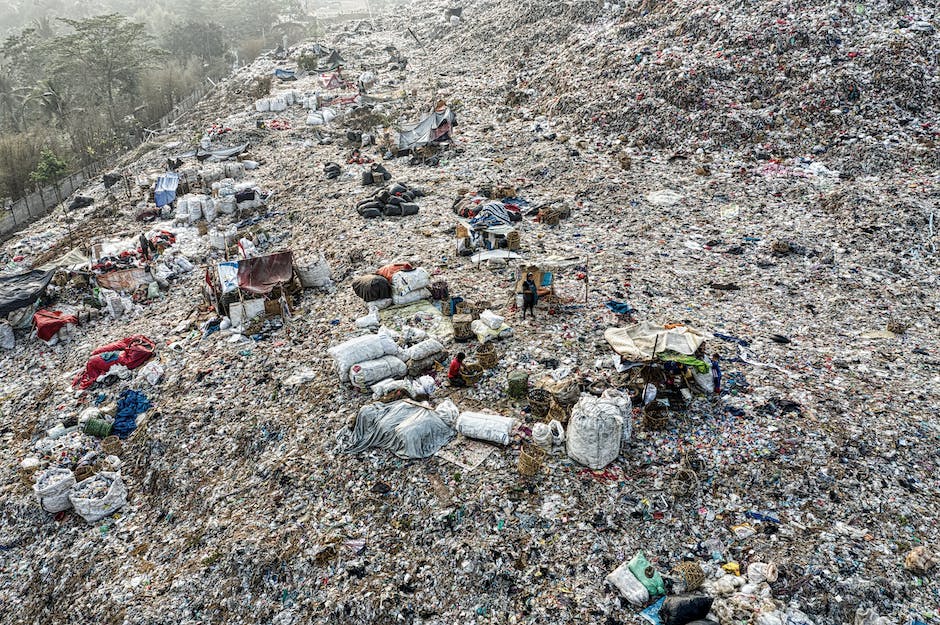
The handling and disposal of asbestos, post-abatement, is a matter of considerable environmental concern. Once removed, asbestos waste poses a challenge to ecological balance and public health due to its potential to release harmful fibers into the environment if not disposed of correctly.
Asbestos disposal is governed by stringent regulations designed to prevent its release into the air and water systems. The authorized disposal of asbestos typically involves sealing it in leak-tight containers and then transporting it to certified landfills that have specific criteria for hazardous waste. These landfills are engineered with impermeable liners, typically made of clay or synthetic materials, to prevent asbestos from contaminating ground and surface waters.
The landfilling of asbestos, while currently deemed the most viable solution, is not without its implications for the environment. The areas chosen for asbestos disposal often become unusable for other purposes due to the long-term hazard potential of the waste. Furthermore, the space required for such landfills is significant, and this can lead to the reduction of natural habitats for flora and fauna.
In order to mitigate the environmental impact, alternatives to landfill disposal are occasionally explored, such as stabilization and solidification. These processes involve mixing the asbestos with other materials to prevent the release of fibers. However, these methods also come with challenges and are subject to ongoing research and development to ensure they do not create additional environmental burdens.
Another environmentally conscious approach is the encapsulation of asbestos on site. This method involves sealing the asbestos within the structure in a way that prevents fibers from becoming airborne. This solution minimizes the need for transportation and reduces the risk of exposure during handling, but it is only suitable for certain situations where asbestos can be safely contained in situ.
It is crucial to realize that improper disposal of asbestos can lead to the contamination of natural resources. For instance, asbestos fibers can enter soil and water bodies, presenting a risk to ecosystems. Animals, plants, and microorganisms may be affected by the intrusion of asbestos into their habitats, with the potential for biomagnification up the food chain.
Investments in research to develop innovative and less environmentally taxing asbestos disposal methods are necessary. Alternatively, the potential for recycling asbestos into non-hazardous materials holds promise, although practical applications are limited and require further scientific inquiry.
The conscientious disposal of asbestos waste is an essential component of the abatement process, carrying profound implications for ecological health and the integrity of ecosystems. Ensuring adherence to proper disposal practices is of the utmost importance in mitigating the environmental impact of this carcinogenic material, thereby contributing to a safer, healthier planet for current and future generations.
Socio-Economic Effects of Asbestos Abatement Programs
The socio-economic landscape post-asbestos abatement is one of cautious optimism, marked by a transition towards sustainable growth and community resilience. For communities that have undergone asbestos abatement, the aftermath can manifest in a unique blend of challenges and opportunities.
One significant impact on communities is the financial burden associated with the abatement process. Despite the positive health and environmental outcomes, the upfront costs of abatement can be substantial. Local economies often bear the cost of retrofitting buildings, employing specialized contractors, and ensuring safe disposal of asbestos materials. These expenditures are particularly felt in economically disadvantaged areas where funding for such projects is limited.
Following abatement, real estate markets typically experience a distinct shift. Properties that have undergone asbestos removal often see an increase in marketability, leading to revitalization of neighborhoods and boosting local economies. However, the inverse can also occur where property values temporarily decrease due to stigma, despite the removal of health hazards. Over time, education and public awareness can mitigate this effect as knowledge of the benefits of abatement becomes more widespread.
Employment opportunities often arise post-abatement, particularly in the fields of construction, environmental consulting, and public health. The demand for skilled labor to replace asbestos-containing materials with safer alternatives provides a temporary boost to the job market. The specialized nature of such work can stimulate education and training programs, equipping individuals with valuable skills that can be transferred to other sectors.
There’s a marked improvement in community health indices post-abatement, leading to reduced healthcare costs in the long term. By preempting asbestos-related illnesses, communities invest in the wellbeing of their residents, allowing funds previously earmarked for medical care to be used for other pressing social needs. However, the need for ongoing health surveillance persists, as diseases related to asbestos can emerge many years after exposure.
Asbestos abatement projects often promote community cohesion and collective action. Residents and local governments come together to advocate for safe living conditions, which can forge stronger community bonds and heightened civic engagement. Through these collaborative efforts, lessons learned in asbestos abatement can serve as a blueprint for tackling other environmental issues.
However, it is essential to acknowledge the unintended consequences, such as the displacement of residents during abatement projects or the necessity for businesses to temporarily shut down. These disruptions can cause economic stress, though they tend to be temporary and are eventually offset by the overall socio-economic improvements.
In conclusion, the impacts of asbestos abatement on communities are multifaceted. While they introduce immediate socio-economic stresses, these are accompanied by long-term gains in public health, property values, and environmental integrity. The evolution of communities post-abatement heralds a shift towards sustainable developments, though the journey is fraught with the need for continuous education, investment in public health systems, and commitment to socio-economic advancements.

Technological and Methodological Advances in Asbestos Abatement
Recent Innovations in Asbestos Abatement Techniques
In the realm of asbestos abatement, recent technological and methodological advances demonstrate an unwavering commitment to enhancing the safety and efficacy of removal practices. These innovations not only aim to protect the health of workers engaged in abatement but also strive to minimize environmental impact.
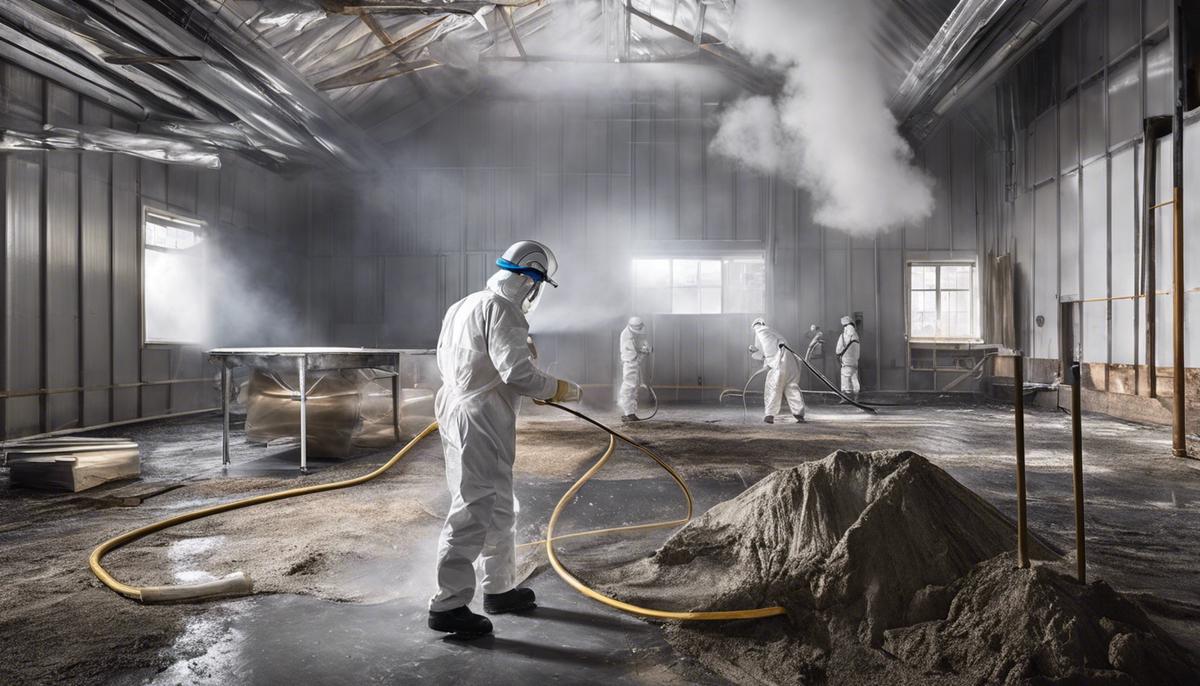
One such development is the introduction of more sophisticated personal protective equipment (PPE). This includes full-face respirators with P100 cartridge filters, impermeable coveralls, and gloves that meet the highest safety standards. Advances in PPE design ensure a higher level of protection against asbestos fibers while offering improved comfort and mobility, thereby bolstering both safety and productivity in the field.
Innovations in removal methodologies have centered around reducing the release of asbestos fibers during abatement activities. The utilization of negative air pressure systems is now more common, with advancements in the reliability and efficiency of these systems. These devices ensure that contaminated air is captured and filtered, preventing asbestos fibers from escaping into adjacent areas.
In addition, there are upgrades in wetting agents used to suppress asbestos dust. These agents are combined with the water used during asbestos abatement to enhance fiber suppression. The improved wetting agents can more effectively reduce airborne fiber counts by thoroughly saturating materials, thus allowing for safer manipulation and removal.
Furthermore, technological progress in the tools used for the physical removal of asbestos has occurred. For instance, there are now laser-based measurement tools that provide precise assessments of affected areas. Advanced abatement robots, although not yet widely implemented, are beginning to be introduced. These robots can perform abatement tasks in high-risk environments, thus minimizing human exposure to hazardous fibers.
Another promising direction in methodology is the development of more accurate real-time airborne fiber monitoring systems. These sophisticated devices can detect the presence of asbestos fibers on-site, thereby ensuring that the abatement processes are adequately protective and that no dangerous levels of fibers persist in the air post-abatement.
When it comes to asbestos-containing material (ACM) handling, there are emerging techniques such as the induction heating process. This method involves heating the ACM within a controlled range to detach the material from its substrate without making the asbestos friable. The technique shows potential for reducing the risk of fiber release during the removal process.
As discussed, each technological and methodological stride has been made with the dual goals of protecting human health and preserving our environment. The collective advancements in asbestos abatement practices reflect an industry acutely aware of its responsibilities and dynamically adapting to overcome its challenges. As the scientific community delves further into the intricacies of asbestos abatement methods and technologies, it is imperative that these endeavors are driven by the ultimate goal of eradicating asbestos-related health risks and securing a safer, more sustainable future for all.
Ongoing Research and Future Directions in Asbestos Abatement
The research landscape in asbestos abatement is pointing toward an interdisciplinary and technologically driven future. Innovations in material science, engineering, and industrial hygiene are converging to present new methodologies in the abatement of asbestos, a material whose insidious legacy continues to pose serious health risks long after its primary use has ended.
One of the most promising areas of ongoing research is the development of alternative materials that can effectively replace asbestos in industrial applications without compromising functionality or safety. Advancements in nanotechnology and polymer science offer potential solutions with materials that exhibit similar properties to asbestos, such as high heat resistance and tensile strength, without the associated health hazards.
Concurrently, investigators are exploring biological and chemical methods for neutralizing the dangers posed by asbestos. Bioremediation, which employs microorganisms to break down hazardous materials, is an area of research that could revolutionize asbestos abatement by mitigating environmental risks through natural processes. Chemical approaches, such as the application of certain phosphates that can render the fibers less bioavailable—and thus less injurious to lung tissue—show significant promise.
There is also a concerted effort to address the logistical impediments to asbestos abatement. Researchers are examining ways to streamline the entire remediation process—from early-stage asbestos detection to final disposal or recycling. For instance, the application of geographic information systems (GIS) allows for precise mapping of contaminated sites, enhancing the efficiency and safety of abatement efforts. Simultaneously, portable, on-site analysis techniques are reducing the timescales involved in identifying asbestos, fast-tracking the initial steps required to secure public health.
In tandem with these technical advancements, there is an important focus on the ethical and legal dimensions of asbestos abatement. Academic inquiry extends to the development of policies that balance public safety, environmental impact, and the rights of affected parties. These include regulations on owner responsibility, abatement practices, and worker safety, all aimed at minimizing health risks during the abatement process.
In essence, the trajectory of research suggests a dynamic, multifaceted approach to asbestos abatement that integrates advanced technology, public health concerns, and ecological responsibility. This evolving landscape is not only changing the tools and methods at our disposal but also reshaping the societal and environmental ethos surrounding this critical field of public health and safety. As the volume of knowledge grows and spreads through varying channels of communication and education, the prospect of a future free from the scourge of asbestos-related disease becomes ever more tangible.

The quest for a world devoid of asbestos-related peril is an ongoing journey marked by scientific inquiry, technological innovation, and policy reform. As we continue to peel back the layers of asbestos’s legacy, it is essential to remain vigilant in our approach to abatement, disposal, and the management of its long-reaching consequences. The insights gleaned from research, the experiences of diverse communities, and the evolution of best-practices provide a beacon that guides us towards safer environments. By embracing the lessons of the past and fostering a spirit of proactive adaptation, we can anticipate and shape a future where the specter of asbestos no longer casts a shadow over the sanctity of our health and the integrity of our ecosystems.