
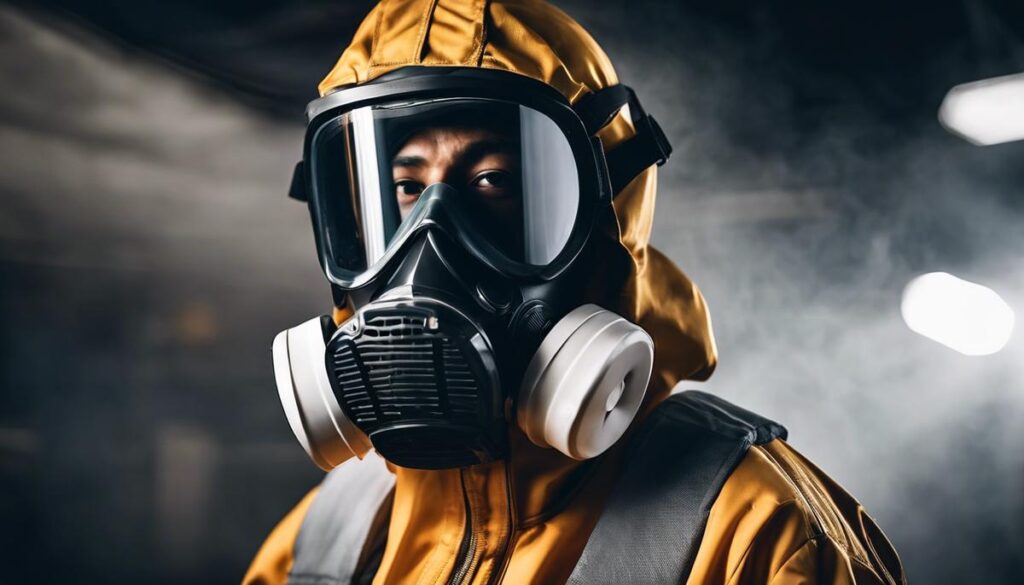
The fabric of modern life, as woven through decades of industrial ingenuity, is threaded with the legacy of asbestos—a mineral once hailed for its fire-resistant properties but now notorious for its perilous implications on human health. Navigating through the labyrinth of asbestos exposure and its associated risks demands a nuanced understanding, one that not only acknowledges the material’s historical significance and its indelible mark on numerous industries but also foregrounds the critical biophysical interactions that present profound challenges to the human respiratory system. With a focus on both the escalating health concerns and the pursuit of remediation, this discourse aims to illuminate the conventional and holistic pathways that can potentially guide affected individuals toward a semblance of detoxification, weaving through the scientific fabric that both supports and questions these myriad approaches.
Understanding Asbestos Exposure and Its Risks
Health Risks Tied to Asbestos Exposure: A Closer Look
In the realm of industrial materials, asbestos once garnered significant favor due to its resistance to heat, electrical, and chemical damage, as well as its sound absorption and affordability. However, research has irrefutably demonstrated that exposure to asbestos fibers poses severe risks to human health, leading to myriad ailments, including chronic respiratory diseases and cancer.
Asbestos: A Silent Threat
Asbestos comprises microscopic fibrous minerals that can become airborne and, when inhaled, lodge deep within the lung tissue. Consistent exposure to these fibers increases the likelihood of several detrimental health consequences.
Mesothelioma: The Signature Asbestos-Induced Cancer
Possibly the most lethal illness directly linked to asbestos exposure is mesothelioma, a rare form of cancer that targets the mesothelium, the protective lining that covers many internal organs. Primarily affecting the pleura (the lining of the lungs and chest cavity) or the peritoneum (the lining of the abdominal cavity), mesothelioma has been conclusively tied to asbestos exposure and frequently proves fatal.
Lung Cancer: A Heightened Risk
Individuals who have been exposed to asbestos bear a notably higher risk of developing lung cancer. Tumors form in the lung tissue and can metastasize, or spread to other parts of the body. As with mesothelioma, the prognosis for those afflicted with lung cancer can be particularly grave, with survival often dictated by the stage at which the disease is diagnosed.
Asbestosis: Chronic and Non-Malignant Yet Severe
Another significant condition, asbestosis, while non-cancerous, is a serious chronic lung disease. Over time, inhaled asbestos fibers can cause lung tissues to scar (fibrosis), leading to severe shortness of breath, coughing, and permanent lung damage. Notably, asbestosis symptoms can take many years to appear after exposure, and the condition can lead to decreased lung function and even death.
Pleural Abnormalities: Restricting Lung Function
Asbestos exposure can also lead to changes in the pleura, such as thickening, plaques, and effusions. While these conditions might not be cancerous, they can compromise lung function by restricting lung expansion, thus causing breathing difficulties.
Other Asbestos-Related Health Issues
The hazards of asbestos extend beyond the lungs. Asbestos exposure can potentially cause cancer in the larynx and ovary. Furthermore, evidence suggests a possible link between asbestos and other forms of cancer, such as those of the stomach, pharynx, and colorectum.
Limiting Exposure to Reduce Risk
In light of the known health impacts of asbestos, its use is heavily regulated or banned in many countries. In environments where asbestos is present, stringent safety regulations and protective measures are critical in preventing exposure. Rehabilitation of spaces containing asbestos by licensed professionals aims to obviate the pervasive risk to human health, a reminder of the enduring legacy of an insidious industrial material.
Vigilance and Prevention: A Public Health Imperative
Mitigating the health consequences of asbestos exposure remains a public health imperative. Understanding the gravity of these risks and implementing robust measures aimed at prevention and early detection can reduce the occurrence of asbestos-related diseases and safeguard public health. Indeed, the study of asbestos and its effects is a poignant exemplar of the vital role that research and regulatory oversight play in contemporary society’s ongoing endeavor to protect human well-being.

Conventional Asbestos Detoxification Strategies
Mitigating the Perilous Legacy of Asbestos: Strategic Medical and Environmental Interventions
In the realm of public health, one of the most formidable adversaries is the pervasive presence of asbestos. Once esteemed for its insulating and fire-resistant properties, asbestos has bequeathed a sinister legacy, saturating environments with a toxin that poses an existential threat to ecological and human health. Confronting this nemesis with rigorous medical and environmental interventions is not merely prudent—it is imperative.
The cornerstone of confronting the asbestos burden is the meticulous abatement and management of existing asbestos-containing materials. Regulatory measures endorse the encapsulation or enclosure of asbestos in situ, ensuring that fibers are not dislodged to become airborne. In cases where removal is warranted, meticulously controlled procedures undertaken by certified professionals aim to curtail any inadvertent release into the environment. These efforts are bolstered by comprehensive building surveys and critical risk assessments prior to renovation or demolition activities.
In parallel with these environmental strategies, medical interventions are tailored to address asbestos-related pathologies. Regular health screenings and surveillance programs for individuals with a history of asbestos exposure enrich early detection and diagnosis capabilities. Specific immunological tests have been developed to recognize biomarkers that may indicate asbestos-related diseases, allowing for prompt and targeted medical intervention.
Advancements in pharmacology have introduced promising treatment regimes for asbestos-induced conditions. Novel chemotherapeutic agents have demonstrated efficacy in slowing the progression of malignancies such as mesothelioma, while research into immunotherapy and gene therapy offers a vista of hope for future therapeutic breakthroughs.
Moreover, a paradigm shift towards a multidisciplinary approach in treating asbestos-related diseases embraces the integration of pulmonology, oncology, radiology, and occupational medicine. This collaborative model epitomizes patient-centered care, optimizing treatment outcomes for those afflicted with asbestos-induced diseases.
In the broader public health domain, legislations prohibiting the use of asbestos and stringent occupational health standards serve as bulwarks to prevent new exposures. Public education campaigns promulgate knowledge about the hazards of asbestos, transforming the awareness landscape and fostering a culture of safety and awareness.
On the environmental front, advancements in air filtration and monitoring technologies have revolutionized the capacity to detect the quanta of asbestos fibers with superior precision. These technologies, coupled with mobile applications for real-time data analysis, fortify the vigilance required to preempt potential exposure scenarios.
In conclusion, steadfast commitment to rigorous environmental and medical interventions will continue to diminish the burden of asbestos. Through the application of science, technology, and policy, society marshals a cogent response against the lasting repercussions of this resilient mineral. As researchers, scientists, and healthcare practitioners dedicate their expertise to this endeavor, the collective pursuit of eradicating asbestos-related afflictions and protecting future generations becomes not merely an option, but a moral imperative.

Holistic and Alternative Approaches to Asbestos Detox
Beyond Conventional Practices: Exploring Holistic Detoxification from Asbestos Exposure
Asbestos exposure, while severely detrimental to human health, does not presently have a standardized method for “detoxification” in the traditional or alternative medicine sense. However, individuals seeking holistic approaches to support their health after exposure might consider certain strategies. It is pertinent to note that these methodologies should not replace conventional medical treatments but may serve as adjunct therapies to alleviate symptoms and potentially enhance well-being.
Dietary Interventions:
Nutrition plays a pivotal role in maintaining the body’s natural detoxification pathways. Diets rich in antioxidants, such as fruits, vegetables, and whole grains, could help combat oxidative stress caused by asbestos fibers. Additionally, sufficient hydration is fundamental to facilitate renal elimination of toxins.
Supplemental Support:
Certain nutritional supplements possess attributes that may theoretically aid the body in managing the oxidative burden. For instance, N-acetylcysteine is known for its role in replenishing glutathione, a potent antioxidant. However, the efficacy of supplements in this context has yet to be established through rigorous clinical trials.
Mind-Body Practices:
Techniques such as yoga, meditation, and tai chi may improve overall health and stress management. Stress reduction is essential, as chronic stress can impair immune function and potentially exacerbate health problems.
Physical Activity:
Regular exercise is generally recommended for its broad range of health benefits, which include enhanced cardiovascular function and immune system performance. Exercise may also facilitate lymphatic flow, theoretically aiding in the clearance of toxins, although no direct evidence links it to asbestos detoxification specifically.
Pulmonary Rehabilitation:
While not a “detoxifying” therapy in the conventional sense, pulmonary rehabilitation may be beneficial for individuals with asbestos-related diseases. These structured programs focus on exercises and education to help people breathe more effectively.
It is critical to acknowledge that there is no scientific consensus around the concept of detoxifying the body from asbestos fibers once exposure has occurred. The microscopic fibers, when lodged in lung tissue, are typically not metabolizable or removable by the body or any known treatment. The strategies described above aim to support the body’s health and resilience in the wake of exposure, rather than removing asbestos fibers per se.
For those contemplating alternative methodologies as a response to asbestos exposure, it is vitally important to consult medical professionals before embarking on any new health regimen. Any holistic approach should be viewed as complementary to, not as a replacement for, professional medical advice and intervention. Given the severe health implications of asbestos exposure, such caution cannot be overemphasized.
In closing, the pursuit of holistic health strategies following exposure to asbestos demands a well-informed approach, one that is both hopeful in seeking to enhance the quality of life and grounded in the pragmatic acknowledgment of the present scientific understanding.

Assessment of Holistic Detox Efficacy and Safety
Evaluating the Effectiveness and Safety of Holistic Detox Methods for Asbestos Exposure
Holistic detoxification approaches often emerge in public discourse as complementary alternatives to traditional medical treatments, particularly when discussing long-term exposure to hazardous substances like asbestos. While such methods underscore the desire for gentle, non-invasive healing practices, the scientific and health professional community must rigorously evaluate these approaches to ensure they meet the criteria for effectiveness and safety before being endorsed or recommended to the public.
In the diligent task of evaluating holistic detox methods, scientists and health professionals embark on a methodical process, which involves several key steps:
- Critical Review of Existing Literature: Experts commence by thoroughly analyzing peer-reviewed studies and clinical trial data on holistic detox practices. This examination allows them to understand the biological mechanisms purportedly engaged by these methods and to discern any recorded outcomes that suggest efficacy or potential harm.
- Clinical Studies and Trials: Rigorous empirical testing of holistic methods in controlled settings is fundamental. Randomized control trials (RCTs), often deemed the gold standard in research, play a crucial role. These studies carefully control for variables and measure outcomes, providing strong evidence regarding the safety and effectiveness of detox practices.
- Safety Profiling: An essential aspect of evaluation is assessing the safety of holistic detox methods. Any therapeutic approach must be subjected to a battery of tests to identify possible adverse effects, contraindications, and interactions with conventional treatments. The primary aim is to ensure that these methods do not introduce additional health risks.
- Biochemical and Physiological Monitoring: Holistic detox methods are scrutinized for their ability to influence biological markers associated with the detoxification process. Health professionals watch for changes in levels of toxins, improvements in liver and kidney function, and other indicators that suggest the body is effectively eliminating harmful substances.
- Collection of Anecdotal Evidence: While anecdotal evidence does not possess the same weight as data from clinical trials, personal testimonials can provide insights into the experiences of individuals who have undertaken holistic detox regimens. These stories, however, must be approached with caution and critically appraised.
- Interdisciplinary Collaboration: Evaluations of holistic methods are most robust when undertaken by interdisciplinary teams comprising toxicologists, physicians, nutritionists, and other specialists. Such teamwork ensures a multifaceted understanding and assessment.
In summation, the comprehensive evaluation of holistic detox methods for asbestos exposure—and indeed, for any toxic exposure—is underpinned by stringent scientific inquiry and a commitment to uphold the health and safety of the public. The goal is not to disavow non-traditional practices out of hand but to subject them to the same rigorous testing as more conventional medical treatments. Only through this thorough and inclusive approach can the best interests of those affected by asbestos exposure truly be served.

Future Perspectives in Asbestos Detox Research
The Next Frontier in Research of Holistic Approaches to Asbestos Detoxification
The quest for effective holistic therapies to aid in the detoxification from asbestos exposure continues to persist as a pressing challenge in public health. Compelling advancements in this field are not only desirable but also critical to mitigate the long-term consequences suffered by individuals who have been exposed to asbestos. Despite the extensive knowledge on the pathophysiology of asbestos-related diseases, there is an urgent need for innovation in detoxification strategies.
The future of research lies in exploring the interplay between the human body’s innate detoxification systems and the potential augmentation through holistic practices. One evolving avenue is the study of phytoremediation’s applicability to human detoxification. This approach, traditionally utilized for environmental clean-up, harnesses the detoxifying capabilities of specific plants to absorb, sequester, and transform harmful substances. Researchers are exploring whether the incorporation of such phytoremediating plants into the diet could provide any bioactive compounds with the capacity to complex with and facilitate the removal of asbestos fibers from the human body.
Another frontier is the exploration of microbiome therapy in asbestos detoxification. Research has unveiled the instrumental role of the gut microbiome in influencing overall health and disease. Studies are now focusing on how alterations in the gut microbiome can affect the body’s ability to process and eliminate toxins, including heavy metals and potentially asbestos fibers. Probiotic and prebiotic treatments, which aim to balance gut flora, may emerge as a feasible coadjutant in enhancing the body’s natural detoxification processes.
Technological innovation represents a staple in progressing toward effective holistic detox strategies. Wearable devices and mobile applications are now being designed to monitor physiological parameters indicative of toxin exposure and clearance. These technologies could be vitally informative in real-time assessment of the efficacy of holistic detox practices, allowing for personalized adjustments to enhance outcomes.
The exploration of genetic polymorphisms that affect toxin metabolism and elimination is another promising research domain. By understanding the genetic variants that influence an individual’s capacity to detoxify, personalized holistic interventions can be developed to support specific detoxification pathways at the molecular level.
Notably, employing systems biology to understand the complex dynamics between holistic practices and detoxification pathways stands as an extraordinary promise for the future. Systems biology, with its integrative approach, can elucidate the multifactorial aspects of detoxification, ranging from environmental factors to individual biological variability. Through comprehensive modelling, this approach may yield profound insights into which holistic strategies could most effectively synergize with the body’s natural detoxification mechanisms.
Finally, the implementation and refinement of global research collaborations and information-sharing networks are pivotal in advancing the research of holistic detox methods. Such collaborative efforts will not only expedite the discovery of efficacious treatments but also ensure that these approaches can be standardized and universally accessible to those who need them.
While there remains an earnest pursuit to distill the efficaciousness of holistic practices for asbestos detoxification, it is crucial to approach this endeavor with methodical scientific scrutiny. The amalgamation of diverse research disciplines and technologies may soon unravel the next breakthrough in detoxification science, providing hope and healing to those burdened by the aftermath of asbestos exposure.

As we stand at the crossroads of past practices and future health imperatives, the journey towards effective asbestos detoxification remains a complex mosaic of science, ethics, and innovation. The exploration has guided us through the dense terrains of asbestos exposure, the compass of conventional wisdom in dealing with its fallout, and the less charted waters of holistic endeavors that promise a more attuned, perhaps gentler, reconciliation with this enduring adversary. The path forward beckons an interdisciplinary tapestry, weaving together the threads of toxicology, nutrition, and environmental wisdom, to chart a course that respects both empirical evidence and the human quest for well-being. As asbestos continues to cast a shadow on communities, it is this very synthesis of knowledge and the hunger for discovery that will illuminate the promise of cleaner horizons and a legacy redefined in the pursuit of health and vitality.