

Asbestos, a material once lauded for its durability and resistance to heat, has cast a long shadow over public health due to its insidious nature. To understand the perils it presents, we must delve into the fibers that make up asbestos and uncover how their microscopic invasions into our bodies can lead to devastating health consequences. This essay will traverse the landscape of asbestos-related risks, weaving through its hazardous properties, the assessment of exposure risks, and the preventive strategies that safeguard health. We will further explore the frontier of research in asbestos-related diseases, aiming to arm ourselves with knowledge against this hidden adversary. As global perspectives on asbestos continue to evolve, we shall also reflect upon the patchwork of policies designed to curb its use and protect future generations.
The Nature and Hazards of Asbestos
The Perilous Nature of Asbestos: A Health Hazard Unveiled
Asbestos, a term that describes a group of naturally occurring fibrous minerals, has a notorious reputation within public health and occupational safety due to its insidious health implications. The unique properties of asbestos – including its resistance to heat, electricity, and corrosion – formerly made it a material of choice in various industries, including construction, automotive, and manufacturing. However, despite asbestos’ utilities, its adverse health effects cannot be understated.
At the microscopic level, asbestos fibers are incredibly fine and easily inhaled. Once they enter the respiratory system, their size and shape allow them to penetrate deep into the lung tissue and even transition to the pleural lining of the lungs and chest wall. Due to their robust composition, the body cannot easily expel asbestos fibers once they are lodged within the lung tissue. This biopersistence is a critical factor that contributes to the formidable health risks associated with asbestos exposure.
The illnesses attributed to asbestos exposure follow a grim directory of respiratory and systemic conditions. The most well-known of these is mesothelioma, a rare and aggressive form of cancer that primarily affects the lining of the lungs (pleura) and abdomen (peritoneum). Moreover, asbestos exposure can lead to lung cancer and asbestosis, a progressive lung disease characterized by scarring of lung tissue, which results in difficulty breathing and diminished lung function.
One of the most alarming aspects of asbestos-related diseases is the latency period. The time between initial exposure to asbestos and the onset of symptoms can span several decades, which means that individuals may remain unaware of the dire risks they face after exposure. Furthermore, there is no safe level of asbestos exposure; even brief or minimal contact with the fibers can elevate one’s risk of developing serious health complications.
The potent combination of asbestos’ pervasive historical use, its ability to remain airborne for extended periods, and the prolonged latency of its health effects underscores the necessity for rigorous asbestos management and abatement programs. Although many countries have banned or heavily regulated asbestos use, its legacy remains entrenched in buildings and products that predate these regulations.
The formidable hazards posed by asbestos elucidate the importance of continuous research, education, and policy development to protect current and future populations from its hidden dangers. Recognizing the subtle yet lethal nature of asbestos is not just a scientific imperative but also a societal responsibility to forestall the preventable suffering associated with this deleterious mineral.
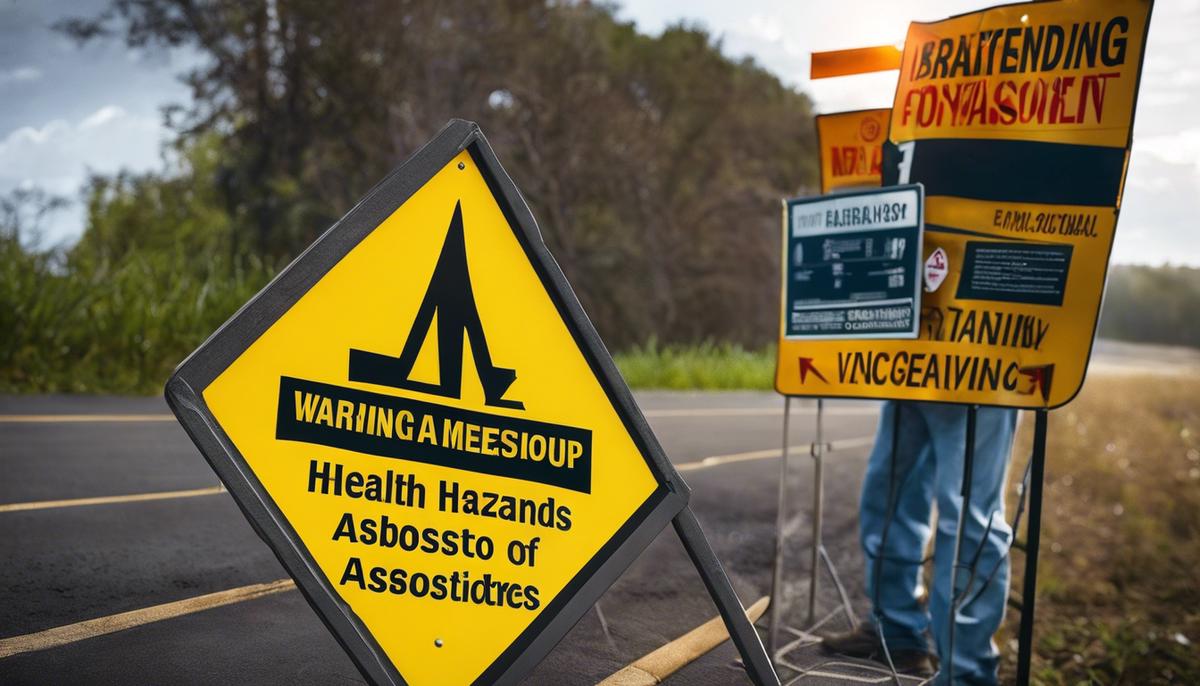
Risk Assessment of Asbestos Exposure
Effective Assessment and Mitigation Strategies for Asbestos Exposure
In the ongoing struggle to quell the risks posed by asbestos exposure, rigorous assessment and mitigation strategies are of paramount importance. Understanding and executing these plans can vastly reduce the number of individuals affected by the potentially fatal consequences of inhaling asbestos fibers.
To commence the process of assessment, asbestos professionals employ comprehensive inspections of properties suspected of containing asbestos-containing materials (ACMs). This assessment includes a meticulous survey of the building, where materials are sampled and analyzed using polarized light microscopy (PLM) or transmission electron microscopy (TEM) to confirm the presence and concentration of asbestos fibers.
Following identification, the risk posed by these materials is evaluated. Undisturbed and intact ACMs might present a comparatively lower risk, but risk assessment includes the material’s condition, potential for damage, and likelihood of disturbance. It is critical to consider these factors to ascertain whether immediate action is necessary or whether ongoing monitoring and management will suffice.
Once the level of risk is established, a detailed mitigation plan is developed. Mitigation ranges from encapsulation, where a sealant is applied to contain the fibers, to complete abatement – the removal of ACMs from the infected site. Abatement is a meticulous process requiring specialized equipment and trained professionals to prevent fiber release and exposure. This task must adhere to strict regulatory protocols to safeguard both workers and the environment from asbestos dispersion.
In conjunction with physical mitigation efforts, administrative controls are indispensable. These include the implementation of asbestos management plans in buildings where ACMs are present. These plans involve regular inspections, proper maintenance procedures, and necessary training for building occupants and maintenance staff on how to avoid disturbing ACMs.
The Occupational Safety and Health Administration (OSHA) and the Environmental Protection Agency (EPA) have created stringent guidelines and regulations to control asbestos exposure in work environments and during abatement projects. Adherence to these guidelines is enforced through meticulous documentation, keeping a record of asbestos presence, abatement efforts, air monitoring data, and health surveillance programs for individuals at risk of exposure.
Personal protective equipment (PPE), such as respirators and disposable coveralls, must be utilized in any situation where individuals could come into contact with asbestos. This equipment is crucial to safeguard workers during the handling or removal of asbestos-containing materials.
Emergency preparedness is another vital component of asbestos risk mitigation. Asbestos release can occur unexpectedly due to natural disasters or accidental disturbance. Quick response plans are thus indispensable to minimize exposure during unexpected release events.
In conclusion, the assessment and mitigation of asbestos exposure require a multifaceted approach, combining thorough property assessment, risk analysis, physical containment or removal, adherence to regulatory protocols, education, proper use of PPE, and emergency response readiness. Through the diligent application of these strategies, the frequency and impact of asbestos-induced illnesses can be significantly diminished, safeguarding public health and advancing occupational safety.
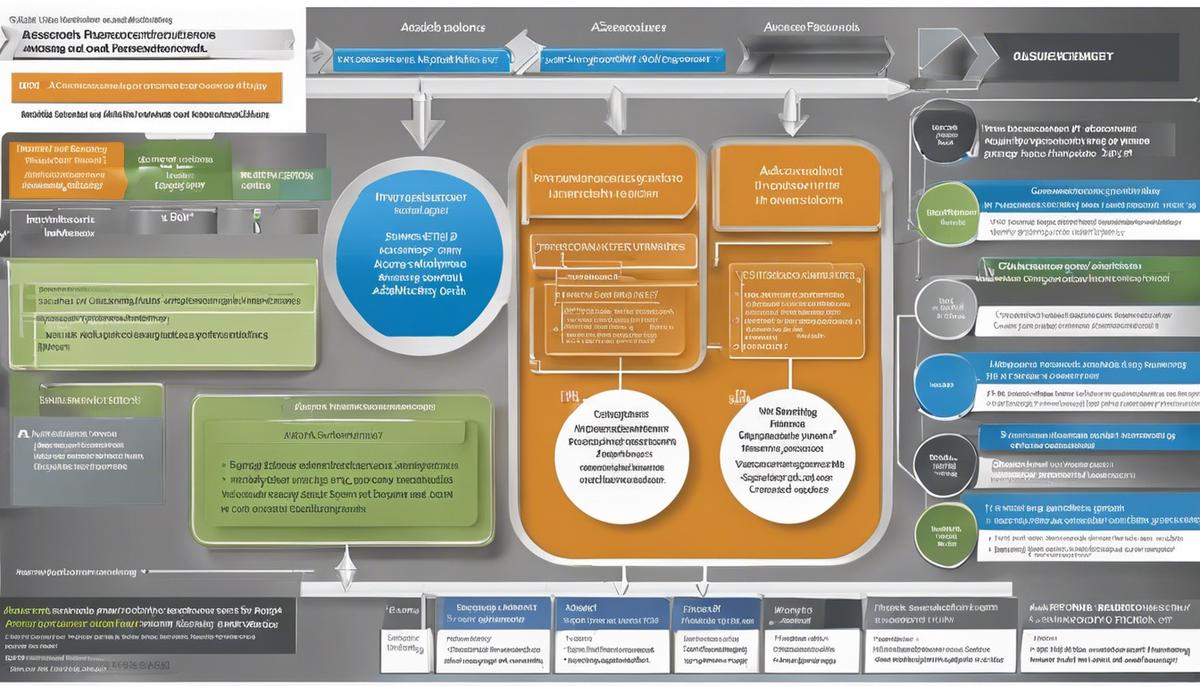
Preventative Measures and Asbestos Management
Effective Strategies for Preventing Asbestos-Related Diseases
The persistent threat of asbestos-related diseases necessitates a proactive stance in prevention efforts. Paramount among these efforts is the strict enforcement of occupational safety standards. Exposure to asbestos is most commonly an occupational hazard, hence workplaces must prioritize the health of their workers through comprehensive safety measures. Implementing stringent workplace safety protocols involves meticulous air quality monitoring, which serves as both a preventative measure and an early detection mechanism for the presence of airborne asbestos fibers.
Engagement with professional abatement services is also critical. Specialized abatement contractors bring skill and knowledge to the process, ensuring the safe and thorough removal of asbestos materials. Employers and property owners must vet these services diligently to confirm their adherence to the highest standards of safety and compliance.
Furthermore, preemptive measures should include the advanced training of workers who may come into contact with asbestos. Workers must receive thorough education on the identification of asbestos-containing materials, the hazards associated with their disturbance, and correct procedures for handling or reporting these materials. This training should also highlight the importance of immediate decontamination processes after potential exposure to mitigate asbestos retention on clothing or equipment.
Beyond initial training, continuous refreshers must be instilled within the culture of occupational settings. This ensures that the knowledge remains front-of-mind and practices are maintained at a level that upholds the utmost safety for all personnel involved.
Complementing these efforts, the development and distribution of educational materials to the wider public are essential. Homeowners, building occupants, and school administrators, to name a few, are stakeholders in this collective responsibility. Awareness campaigns that detail the dangers of asbestos and encourage proactive inspections for at-risk buildings serve as pivotal preventive strategies.
Partnerships between public health agencies and professional bodies can amplify prevention efforts. By working together, these organizations can develop clear communication channels that disseminate vital information on new research findings, technological advancements in asbestos detection and abatement, and changes in regulatory requirements. All of these can lead to improved practices and preventive measures.
Last but not least, a focus on early detection of asbestos-related diseases through regular health screenings for at-risk populations cannot be overstated. Medical professionals should have the tools and knowledge to identify early warning signs and symptoms, enabling them to guide patients toward prompt diagnostic procedures. Investment in medical research for early biomarkers of asbestos-related diseases is also a critical component, potentially leading to life-saving early interventions.
In conclusion, an integrated strategy that incorporates rigorous safety protocols, professional asbestos removal, worker training and education, public awareness, medical surveillance, and interdisciplinary collaboration is the keystone of preventing asbestos-related diseases. Through relentless execution of these methods, we can aspire towards significantly reducing the public health burden of asbestos.
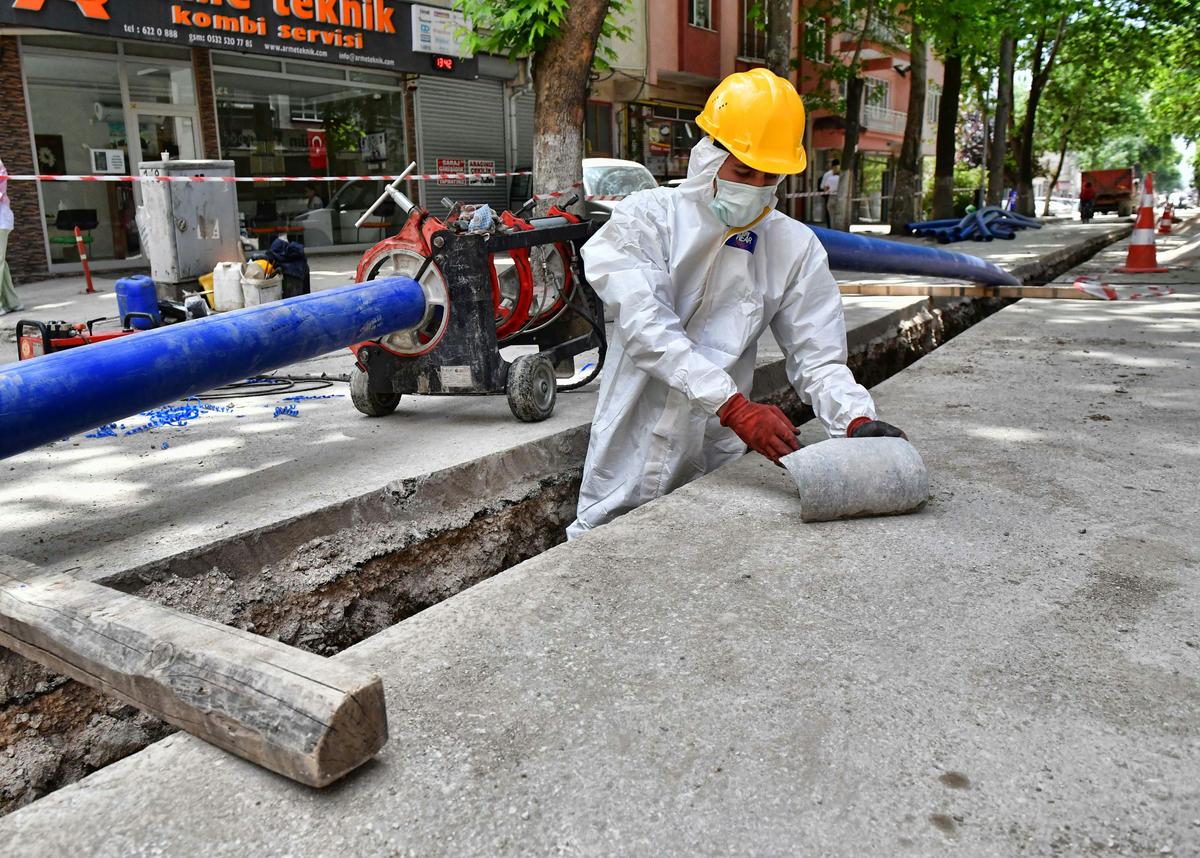
Photo by selimarda on Unsplash
Advancements in Asbestos Disease Research
The frontier of research in asbestos-related diseases continues to unfold, urging an expanded focus on the intricacies of pathophysiology, early detection, and more efficacious treatment options. Despite thorough investigations on the subject, a wealth of knowledge remains to be uncovered, particularly in understanding the cellular and molecular interactions of asbestos fibers within human tissue. The progression from exposure to disease manifestation involves a complex network of biological responses, and thus warrants deep scientific inquiry.
One such pivotal area of research is the genetic and epigenetic changes induced by asbestos exposure. Scientists are probing into the DNA alterations that may confer susceptibility to asbestos-related diseases. There is an emergent consensus that particular genes may predispose individuals to greater risk, and identifying these could lead to predictive genetic testing. Concurrently, epigenetic studies are unraveling how asbestos exposure modifies gene expression without altering the underlying DNA sequence, thus influencing the disease development.
In confluence with genetic and epigenetic studies, advancements in bioinformatics and computational biology play a vital role in asbestos research. High-throughput techniques, such as genomic sequencing and transcriptomic analysis, are being utilized to find patterns and anomalies linked to disease states. These massive sets of data require sophisticated algorithms and machine learning techniques to extract meaningful insights which could lead to novel diagnostic and therapeutic measures.
Immunotherapy represents another promising avenue for asbestos-related disease treatment, specifically malignant mesothelioma. Researchers are investigating the potential of harnessing the immune system to fight off the disease, with multiple clinical trials underway to test the effectiveness of immune checkpoint inhibitors, monoclonal antibodies, and other immunomodulatory drugs.
Furthermore, the development of non-invasive biomarkers for the early detection of asbestos-related diseases is of high priority. Efforts are underway to identify biomarkers – such as changes in blood proteins or the presence of tumor-derived exosomes – that could be routinely measured as an early indication of disease. This would allow for more timely interventions, potentially improving patient prognosis.
As research pursues the underpinnings of asbestos-related pathology, there is also a call to evaluate the psychosocial impact of these diseases. Chronic conditions caused by asbestos exposure are not just cellular matters; they touch upon mental health, family dynamics, and social support systems. Investigations into psychological support mechanisms and the effectiveness of such interventions could vastly improve patient and family well-being.
Lastly, multidisciplinary approaches incorporating occupational health, environmental science, public policy, and clinical practice are being united to tackle the broader implications of asbestos-related diseases. Such collective efforts aim to produce a holistic strategy in disease management, encompassing prevention, early diagnosis, better treatment modalities, and ultimately, improved survival rates and quality of life for affected individuals.
It is the synthesis of these frontiers – the genetic, biomarker development, immunotherapeutic innovation, computational, psychosocial, and multilateral public health strategies – that will steer the course of defeating the challenging spectrum of asbestos-related diseases. The research community follows these untrodden paths diligently, aiming to not just elucidate mysteries but to carry forth the promise of health and safety for future generations.

Global Patterns and Policies on Asbestos Use
Global policies play a crucial role in governing the use and control of asbestos, aiming to mitigate its dire health consequences. The mosaic of international agreements and national regulations directly affects the prevalence of asbestos-related diseases across the globe.
The pivotal international treaty in this context is the Rotterdam Convention on the Prior Informed Consent Procedure for Certain Hazardous Chemicals and Pesticides in International Trade, which includes asbestos. It mandates the informed agreement of the importing country before exporting hazardous substances, including asbestos. This treaty is instrumental in giving nations the right to refuse asbestos imports, aligning with public health interests.
In addition to international treaties, national policies significantly influence asbestos use. Developed nations often adopt stringent regulations or bans, while developing nations may lag due to competing economic and industrial priorities. This disparity underscores an ethical dimension within global policies, drawing attention to the need for universal safety standards.
One concrete impact of such policies is the emergence of alternatives to asbestos in manufacturing and construction, spurred by regulations limiting or banning its use. These alternatives are not only safer but also reflect innovation in material science aiming to match the utility of asbestos without its health risks.
Policy-driven bans and phase-outs of asbestos have verifiably contributed to declines in the incidence of asbestos-related diseases in several countries. Nevertheless, global inconsistency in policy enforcement remains a challenge. Where regulations exist but enforcement is lax, both workers’ health and public safety can be jeopardized.
Furthermore, policies facilitate or impede the international flow of technological and financial resources necessary for disease prevention, monitoring, and treatment. Through mechanisms such as foreign aid and international collaboration, high-income countries can assist lower-income countries in building the infrastructure needed to effectively manage asbestos and its health risks.
On the surveillance front, policies orchestrate the systematic collection of data to monitor asbestos use and disease prevalence. Reliable data streams, supported by policy, are essential for the formulation of evidence-based regulations and the assessment of their impact.
Lastly, global policies catalyze the funneling of resources towards research on asbestos-related diseases. This collaborative international research expands our understanding of these diseases and pushes the boundaries of treatment and early detection methods worldwide.
In concluding, the matrix of global policies forms an essential scaffold for protecting global health from asbestos. These policies, when carefully crafted and robustly implemented, hold the power to curtail the use of asbestos and reduce the burden of its associated diseases, creating an environment where public health priorities align with industrial practices.

Through this journey of understanding asbestos and its multi-faceted impact on human health, we have equipped ourselves with the armor of awareness and proactive defense. Unveiling the complex interplay between asbestos exposure and disease onset heightens our vigilance, while advancements in research shine a beacon of hope towards better diagnostics and treatment options. The disparities in global responses to asbestos use underscore the ongoing battle between economic interests and public health advocacy. As the dialogue continues and policies further adapt, the shared objective remains steadfast — to mitigate the risks and ensure a future where asbestos-related diseases are relegated to the annals of history, preventing the past from dictating the health of the coming decades.